News & Updates

Study shows: Bleisure travel and workation create new tourist demand
Internationale Hochschule Wed, Jul 15, 2026
Business trips are increasingly becoming the starting point for additional tourism demand. Already, 44 percent of all business travelers extend their business trips for private activities, and one in five already takes advantage of workation offers. This is shown by the new and first “Bleisure & Workation Monitor Germany”, the results of which were presented today at a conference in the Rheingoldhalle Mainz. More than 120 representatives from tourism, business, academia, and politics participated in the hybrid presentation.
What makes this monitor special: For the first time in Germany, the supply and demand for bleisure travel and workation were examined together. A survey of more than 1,000 business travelers and around 300 tourism providers offers comprehensive insights into this growing market segment. The research, conducted by IU International University of Applied Sciences, thus creates, for the first time, a reliable data foundation for destinations, tourism businesses, and employers. The six theses of the "Mainz Impulse" formed the basis for the subsequent discussions in the panel discussion and practical workshop. The key finding: The demand for bleisure travel and workation is already there – in many places, it is developing faster than the corresponding supply.
Market potential already visible today
Bleisure travel has long since arrived in the travel market: Almost half of the business travelers surveyed combine business appointments with private activities and extend their stay by an average of two additional nights. The market potential is around 60 percent of all business travelers.
Workation – working from a holiday destination – is also gaining in popularity. Around a quarter of the business travelers surveyed already have workation experience. The average stay is approximately six days. Destinations with a high quality of stay and good digital infrastructure are particularly sought after.
The results also show that bleisure travel and workation are by no means limited to large cities. Rural regions, in particular, with a high quality of life, attractive natural and leisure activities, and good accessibility, offer conditions that are especially appealing to bleisure and workation travelers.
“The research results show that bleisure travel and workation are no longer niche topics. Especially for federal states like Rhineland-Palatinate, this presents new opportunities to keep business travelers in the destination longer and win them back as future vacationers. The crucial thing now is to strategically tap into this potential through visible offers and strong regional networks,” explains Stefan Zindler, Managing Director of Rhineland-Palatinate Tourism GmbH.
Business trips become the gateway to later vacation trips
Particularly noteworthy is the influence of bleisure and workation on subsequent leisure demand. Travelers who combine work and leisure return to their business travel destination significantly more often than private guests.
While 51 per cent of all business travelers later return for private trips, this figure rises to approximately 64 per cent for both bleisure travel and workation travelers. Business trips are thus increasingly becoming the first point of contact with a destination and can trigger additional, private vacations in the long term. Bleisure travel and workations therefore act as drivers of tourism demand and strengthen tourism's economic value creation far beyond the actual business trip.
Demand is growing faster than supply
In addition to surveying business travelers, tourism providers in Germany were also examined for the first time. The results reveal a significant gap between the existing market potential and market development.
While many businesses recognise the opportunities offered by bleisure and workation – such as increased revenue, improved occupancy rates, or access to new target groups – nearly 80 per cent of accommodation providers lack specific offerings for these groups. Strategically, the topic is also not yet well integrated in many businesses: More than half of the surveyed establishments currently respond to inquiries only on a short-term and situational basis.
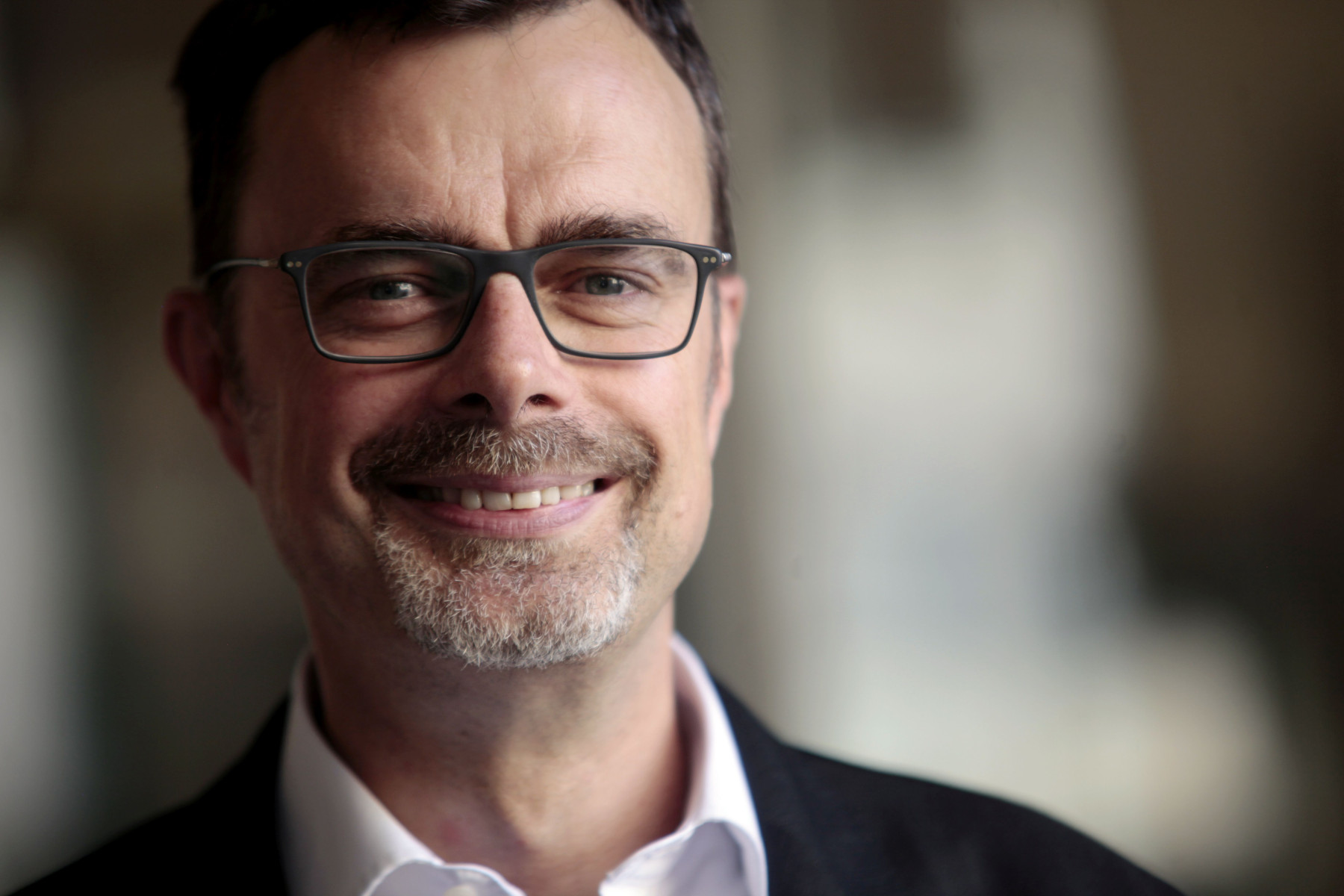
“Many destinations and businesses already have these target groups on board without specifically addressing them with bleisure and workation offers. This is precisely where significant growth opportunities lie for tourism in Germany: The guests are already on site – business travelers can become additional leisure guests and repeat visitors,” says Prof. Dr Peter Neumann from IU International University of Applied Sciences.
Employers are becoming new players in tourist demand
Another key finding concerns the role of employers. Many obstacles to bleisure travel and workations lie not with the destinations or companies, but with a lack of regulations or internal company guidelines. Flexible work models are increasingly changing the travel behavior of employees.
For many business travelers, bleisure travel and workation increase the attractiveness of an employer and are increasingly perceived as a feature of modern working conditions.
“Bleisure travel and workation have long since become important drivers of change beyond traditional tourism. This opens up new opportunities, especially for Germany as a conference and congress destination, to make business travel more modern, secure additional added value and sustainably strengthen the competitiveness of our destinations,” says Katja Mailahn, Managing Director of mainzplus GmbH and spokesperson for the Convention Bureau Rhineland-Palatinate.
Further information for venues and location booking can be found at: www.micegermany.de
More articles for you
DMC Stuttgart Mercedes, Porsche, Automotive Industry Events & Wine-Region Incentives
Wed, Sep 09, 2026 4 Mins
DMC Heidelberg Castle-Backdrop Galas, Life-Sciences Conferences & Neckar Valley Incentives
Tue, Sep 08, 2026 4 Mins
DMC Würzburg UNESCO Residence Galas, Franconian Wine Incentives & Marienberg Fortress Events
Mon, Sep 07, 2026 3 Mins
DMC Düsseldorf MEDICA, Drupa, Boot — Trade-Fair Hospitality & Altstadt Events
Thu, Sep 03, 2026 4 Mins