News & Updates
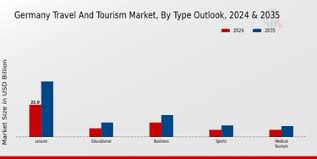
The world’s third biggest business travel market – Germany – is still growing, but slower than some other economies.
BTN Europe Fri, Oct 03, 2025
LESS IS MORE
GERMANY'S LEADING TMCs 2025
Fewer trips but higher prices – Germany's business travel market adjusts to economic stagnation as trade tensions and weak GDP take their tool
This year looks little better. The IMF forecasts that GDP will contract by a further 0.1 per cent during 2025. Interest rates have fallen but trade tensions are significantly weighing on exports.
Travel agencies are taking a slightly bigger share of the spend. According to the DRV association, spend on business travel through travel management companies and other agencies rose to €6.9 billion, up from €6.5 billion the previous year. The year-on-year increase of 6.2 per cent fell short of the increase of 25 per cent in the previous year but was still a step in the right direction.
Despite the fall in business trips, travel in general increased. During 2024, 211.6 million passengers took off and landed at German airports, 7.5 per cent up on the previous year.
It was another great year for Lufthansa. The company increased its revenues to €37.6 billion, the highest in the company’s history. Earnings were down on the previous year, from €2.7 billion to €1.6 billion, hit by lower yields, but remained healthy. The airline said the recovery in business travel was “slow but steady”.
Looking ahead, the airline group said it was looking to sell more of its Green Fares, which include the purchase of alternative aviation fuel for 20 per cent of carbon emissions associated with a passenger's flight and for offsetting the remaining 80 per cent.
The group said, “It may be possible to sell more of these fares for business travel in this way. When corporate customers adopt a Green Fares travel policy, it is integrated into their corporate agreement – the group believes this will encourage further adoption.”
According to the VDR, 23 per cent of companies currently take SAFs into account when planning air travel and this is predicted to rise to 55 per cent by 2026.
Deutsche Bahn said in its annual report that rail passenger transport in Germany grew by 5.5 per cent over 2023 levels. However, the company reported a “decline in business travellers” and a fall in passengers in the long-distance sectors favoured by them – from 140.3 million to 133.4 million.
That said, research from VDR shows that 63 per cent of companies were promoting train travel instead of air travel – where viable – and this is expected to increase to 69 per cent by 2026.
VDR’s Business Travel Report for the year showed that process optimisation is a key driver for Germany’s travel managers. Many are betting on artificial intelligence to achieve this. The organisation’s research found that 32 per cent of companies were actively engaging with AI in travel management in 2024. This is predicted to rise to 63 per cent by 2026.
The three key areas for its use in the corporate travel environment are expected to be data management, information and communication, and reporting. AI approvals and booking business trips using AI is way down at the bottom of the list.
Looking for business and tourism events and locations in Germany? www.micegermany.de got you!
More articles for you
Trendy and well-connected MICE destinations in Central Europe in 2026
Tue, Jun 23, 2026 4 Mins
Germany for MICE Events: Top Destination for Meetings & Incentives
Mon, Jun 22, 2026 2 Mins

Understanding the events industry: what are MICE events?
Fri, Jun 19, 2026 4 Mins
Germany: A Leading Destination for MICE Events 2026
Thu, Jun 18, 2026 2 Mins
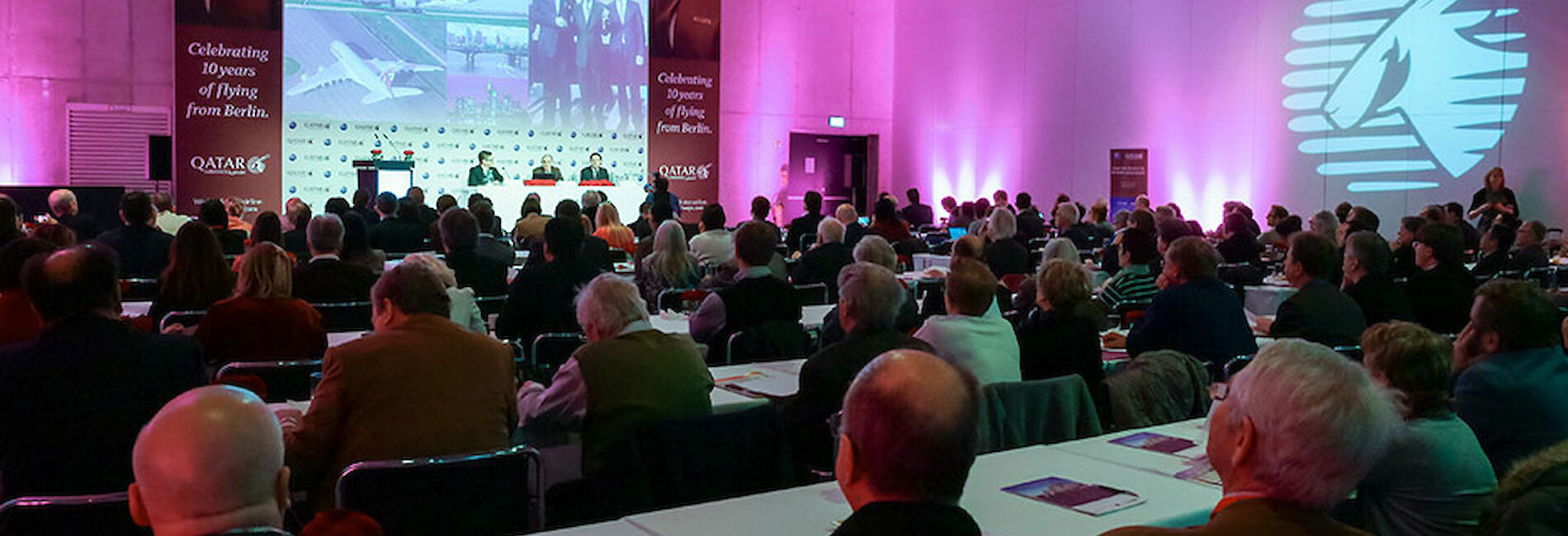
Events and Congresses at the Meeting Destination Berlin, Germany
Wed, Jun 17, 2026 2 Mins

The capital of conferences and events
Tue, Jun 16, 2026 2 Mins